Dr. Thomas B. Dodson, Philip Worthington Endowed Chair and Professor of Oral and Maxillofacial Surgery, will retire from the School on December 31, 2026, concluding more than 13 years of leadership as Chair of the Department of Oral and Maxillofacial Surgery (OMS).
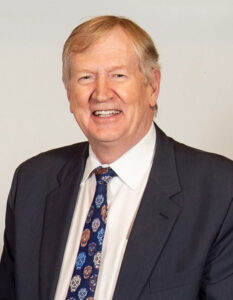
Dr. Dodson joined the School in September 2013 after 15 years at Harvard School of Dental Medicine and Massachusetts General Hospital. He came to Seattle because he believed the School of Dentistry’s OMS department had the essential ingredients to build an active, viable and entrepreneurial academic department—one that could excel simultaneously in patient care, education, service and research. With strong faculty and clinical programs already in place, he saw an opportunity to build upon that foundation.
During his tenure, the department underwent substantial growth and transformation. Among Dr. Dodson’s most consequential accomplishments was leading the transition of the OMS residency from a four-year program to a six-year integrated program in which residents earn an MD degree from the UW School of Medicine, complete a general surgery internship and receive specialty training in OMS. The transition received institutional approval and accreditation in less than one year.
Dr. Dodson also oversaw the relocation and modernization of the department’s faculty practice and resident clinics, recruited and developed faculty, expanded the department’s clinical and research activities and expanded the Philip Worthington Endowment to the level of a sustainable OMS Department Chair. At Harborview Medical Center, he helped establish an equitable system for sharing facial trauma call among OMS, Plastic Surgery and Otolaryngology, strengthening interdisciplinary collaboration and securing the department’s role in the care of the region’s most seriously injured and vulnerable patients.
For Dr. Dodson, however, the most meaningful part of serving as Chair is the opportunity to nurture and develop future generations of oral and maxillofacial surgeons, particularly those who choose to dedicate their careers to academics. “Watching faculty grow and develop into accomplished academic surgeons has been a source of tremendous personal and professional joy,” he said. “The next generation is in good hands.”
That commitment to mentorship extends throughout Dr. Dodson’s academic career. He has mentored dental students, residents, fellows and junior faculty in clinical investigation and evidence-based practice and previously established the nation’s only full-time postdoctoral Fellowship in Clinical Investigation in OMS.
A clinical epidemiologist as well as a surgeon, Dr. Dodson devoted much of his scholarly career to introducing rigorous patient-oriented research and evidence-based decision-making into OMS. His work has influenced clinical practice and professional policy nationally and internationally.
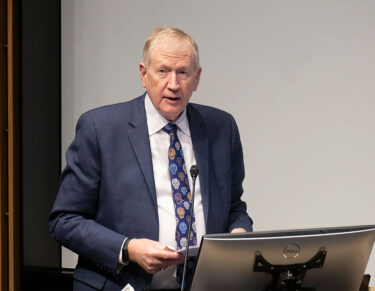
Dr. Dodson held leadership positions in the American Association of Oral and Maxillofacial Surgeons and the Oral and Maxillofacial Surgery Foundation and currently serves as a trustee of the AO Foundation (Davos, Switzerland) and chair of its Craniomaxillofacial Research Commission. He has served as Editor-in-Chief of the Journal of Oral and Maxillofacial Surgery since 2022, capping off 20 years in previous capacities including Associate Editor and Research Section Editor. Recently, his scholarly interests have expanded to defining and refining the responsible role of artificial intelligence in research, scientific communication and peer review.
As he prepares to step down, Dr. Dodson says he is especially proud of the department he leaves to the next generation. “When I came to UW, I saw the opportunity to build something that could endure. I am proud to leave behind a strong, viable academic unit that is positioned to continue to grow and develop for years to come.”
Upon his retirement, Dr. Dodson will transition to emeritus status at UW. His tenure as chair leaves a department strengthened in its clinical mission, residency education, research enterprise and faculty. Perhaps more importantly, his legacy will be reflected in the surgeons, investigators, educators and academic leaders he has helped develop—and in the generations they, in turn, will train.