Mark Donaldson, BSP, RPH, PHARMD, FASHP, FACHE and Jason H. Goodchild, DMD
 Lecture
This course will satisfy 7 hours of requirements to renew sedation credentials (for example, WAC 246-817-745, line 4, in Washington State).
Note: 7 hours is a long time for a webinar and we get that. We will record the whole webinar and make it available to registered attendees for one month following the course so you don’t have to go stir crazy all in one go.
This course offering will be just the first day of our regularly scheduled 3-day minimal sedation course. The 3-day offering (day one lecture, then days two and three lecture/hands-on combo) will return next year in 2027 (in person).
Course Description
Providing dental care to anxious and fearful patients continues to be a major challenge facing dentists. Despite advances in management techniques and treatment delivery, patients’ preexisting opinions and experiences contribute to dental anxiety and fear. Feelings of apprehension create psychological obstacles that prevent dental patients from seeking and receiving care. Of the current techniques to facilitate coping or to minimize procedure apprehension, in-office enteral sedation or oral conscious sedation has garnered the most attention.
Dental fear is a learned response. Family, friends, and popular media can influence patients’ attitudes toward dentistry; this attitude manifests in a cycle of fear that is characterized by avoidance of care and dental pathology. Dentists have used numerous techniques to improve patient comfort during treatment, employing distraction techniques, calming dialogue, and positive reinforcement to manage anxious patients who otherwise would use the “white-knuckle” technique.
In recent years, the use of oral benzodiazepines such as triazolam and lorazepam (with or without nitrous oxide) for the diminution of perioperative anxiety and fear in dental patients has increased. State dental boards, in response, have changed or developed new regulations outlining the training and equipment needed for in-office adult minimal oral and inhalational sedation. Although state regulations for the provision of in-office adult minimal oral and inhalational sedation vary widely with respect to training and pharmacological strategies, consonance exists on the use of inherently safe drugs, the use of pulse oximetry, and the availability of emergency equipment including pharmacologic antagonists.
This dynamic lecture will cover both the science and art of oral conscious sedation in an interactive and engaging multimedia presentation. The pharmacological basis of therapeutics will be addressed, taking the principles of academia into the realm of clinical practice. Treatment strategies and protocols will be discussed in a comprehensive, case-based approach and participants will learn various techniques and will have the opportunity to try several types of machines during clinical sessions.
Course Objectives
As a result of attending this class, you will be able to:
- Describe the continuum of consciousness and how to select appropriate patients for in-office adult minimal oral and inhalational sedation (who to treat and who to refer)
- Discuss the advantages and disadvantages of in-office adult minimal oral and inhalational sedation versus other modalities.
- Describe the mechanism of action and pharmacological properties of the benzodiazepine family of medications.
- List the characteristics of the ideal sedative for in-office use and be able to match the right drug at the right dose to the right patient and the right procedure.
- Understand current regulations specific to your Province or State in regards to the safe administration of in-office adult minimal oral and inhalational sedation.
- Develop a successful plan for every sedation appointment to ensure safe and effective in-office adult minimal oral and inhalational sedation
Course Topics to be Covered
- What is Adult Minimal Sedation All About?
- Pharmacology of Oral Sedatives and their Utilization with Nitrous Oxide
- Keeping Patients Safe: Physiological Monitoring and Equipment
- Minimal Oral Sedation Protocols and Patient Management
- Keeping Patients Safe: Flumazenil & Naloxone
- Minimal Sedation Regulations and Other Regulatory Considerations
Instructors
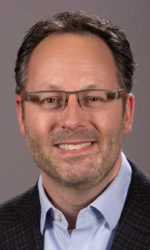 Mark Donaldson received his baccalaureate degree from the University of British Columbia and his Doctorate in Clinical Pharmacy from the University of Washington. He completed a residency at Vancouver General Hospital, and has practiced as a clinical pharmacy specialist, clinical coordinator and director of pharmacy services at many healthcare organizations in both Canada and the United States. He is currently the Associate Principal of Clinical Pharmacy for Vizient’s Advisory Solutions, and lives in Whitefish, Montana.
Dr. Donaldson is a Clinical Professor in the Department of Pharmacy at the University of Montana in Missoula, and Clinical Associate Professor in the School of Dentistry at the Oregon Health & Sciences University in Portland, Oregon. He has a special interest in dental pharmacology and has lectured internationally to both dental and medical practitioners. He has spent the last 20 years focusing on dental pharmacology and dental therapeutics, and is a leader in the field.
Dr. Donaldson has published numerous peer-reviewed works and textbook chapters. He currently serves on the Editorial Board for the Journal Healthcare Executive and the Journal of the American Dental Association and is a reviewer for over ten other different journals. He is board certified in healthcare management and is the Past-President and current Regent of the American College of Healthcare Executives’ Montana Chapter. Dr. Donaldson was named as the 2014 recipient of the Bowl of Hygeia for the state of Montana and is the 2016 recipient of the Dr. Thaddeus V. Weclew Award. This award is conferred upon an individual who has made outstanding contributions to the medical, dental and pharmacy literature.
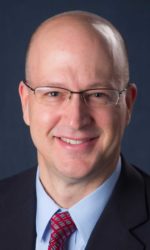 Jason Goodchild is a graduate of Dickinson College in Carlisle, PA. He received his dental training at the University of Pennsylvania School of Dental Medicine. Dr. Goodchild serves as Associate Professor & Chairman of the Department of Diagnostic Sciences at Creighton University School of Dentistry (Omaha, NE). Recently, he joined the Premier Dental Products Company in Plymouth Meeting, PA as the Director of Clinical Affairs. He has published numerous articles and lectures internationally on the topics of treatment planning, treatment of medical complex patients, restorative dentistry, pharmacology, emergency medicine in dentistry, enteral sedation dentistry, and dental photography. He has been an invited speaker for the Academy of General Dentistry and American Association of Dental Examiners. He is a reviewer for the Journal of the American Dental Association, General Dentistry, and Quintessence International. Dr. Goodchild maintains a private general dental practice in Havertown, PA.
Disclosures:
- Drs. Donaldson and Goodchild have no relevant financial relationships to disclose.
- The staff of the University of Washington Office of Continuing Dental Education have no relevant financial relationships to disclose.
Course Logistics
DATE:
Saturday, April 18, 2026
LOCATION:
Online via Zoom live webinar
TARGET AUDIENCE:
This course is applicable for all dental professionals interested in providing minimal sedation in their office. This course will satisfy 7 hours of requirements to renew sedation credentials (for example, WAC 246-817-745, line 4, in Washington State).
TIMES:
Course: 8:30am – 4:30pm Pacific time
Note: 7 hours is a long time for a webinar and we get that. We will record the whole webinar and make it available to registered attendees for one month following the course so you don’t have to go stir crazy all in one go.
TUITION:
$449/Dentist
$299/Staff
$404/Current Dental Alumni Member
* This course is eligible for a 10% tuition discount if you are a current member of the UW Dental Alumni Association.
CREDITS:
7 hours
Conflict of Interest
In accordance with the ADA CERP Standard V., everyone involved in planning or presenting this educational activity will be required to disclose any relevant financial relationships with commercial interests and this information will be made available to participants at the start of the course.
As a continuing education provider, University of Washington Continuing Dental Education is responsible for ensuring the content, quality and scientific integrity of all continuing dental education activities for which credit is provided. The School is also responsible for taking steps to protect against and/or disclose any conflict of interest of the faculty/instructors presenting those courses.
Cancellation and Refunds
For this live webinar, a registration refund, less a $50 fee, will be issued for cancellations received by Friday, April 17, 2026. Registration will remain open, however, when registering after Friday, April 17, 2026, NO REFUNDS will be accepted. Cancellations must be received in email to dentalce@uw.edu The cancellation request must include: the name of the course, name of the person registered, name of the person requesting the cancellation, and the reason for the cancellation.
By providing my information, I consent to receive communication via mail, email, fax, and phone from the University of Washington Continuing Dental Education office. The Continuing Dental Education office will not share your information with anyone.
Dental education institutions have an obligation to disseminate new knowledge related to dental practice. In so doing, some presentations may include controversial materials or commercial references. Sponsorship of a continuing education course by the University of Washington does not necessarily imply endorsement of a particular philosophy, procedure, or product by this institution.
The University of Washington Continuing Dental Education cautions continuing dental education participants that there are potential risks of using limited knowledge when incorporating new techniques and procedures into the practice of dentistry, especially when the continuing education course has not provided supervised clinical experience and/or competency tests in the techniques or procedures.
Contact Us
Register for Courses
Have a question or need help registering for a course? Contact us.
Local: (206) 543-5448
Toll Free: (866) 791-1278
Email: dentalce@uw.edu
University of Washington
Continuing Dental Education
Box 357137
Seattle, WA 98195-7137

The University of Washington is an ADA CERP Recognized Provider.
ADA CERP is a service of the American Dental Association to assist dental professionals in identifying quality providers of continuing dental education. ADA CERP does not approve or endorse individual courses or instructors, nor does it imply acceptance of credit hours by boards of dentistry.

The University of Washington is a member of the Association for Continuing Dental Education.
University of Washington designates this activity for 7 continuing education credits.